The RBA's housing blind spot is about to cost Australia
Australia's inflation gauge is built to see new home construction costs — but blind to established property values, and a coming tax change will exploit that gap.

The RBA's housing blind spot is about to cost Australia
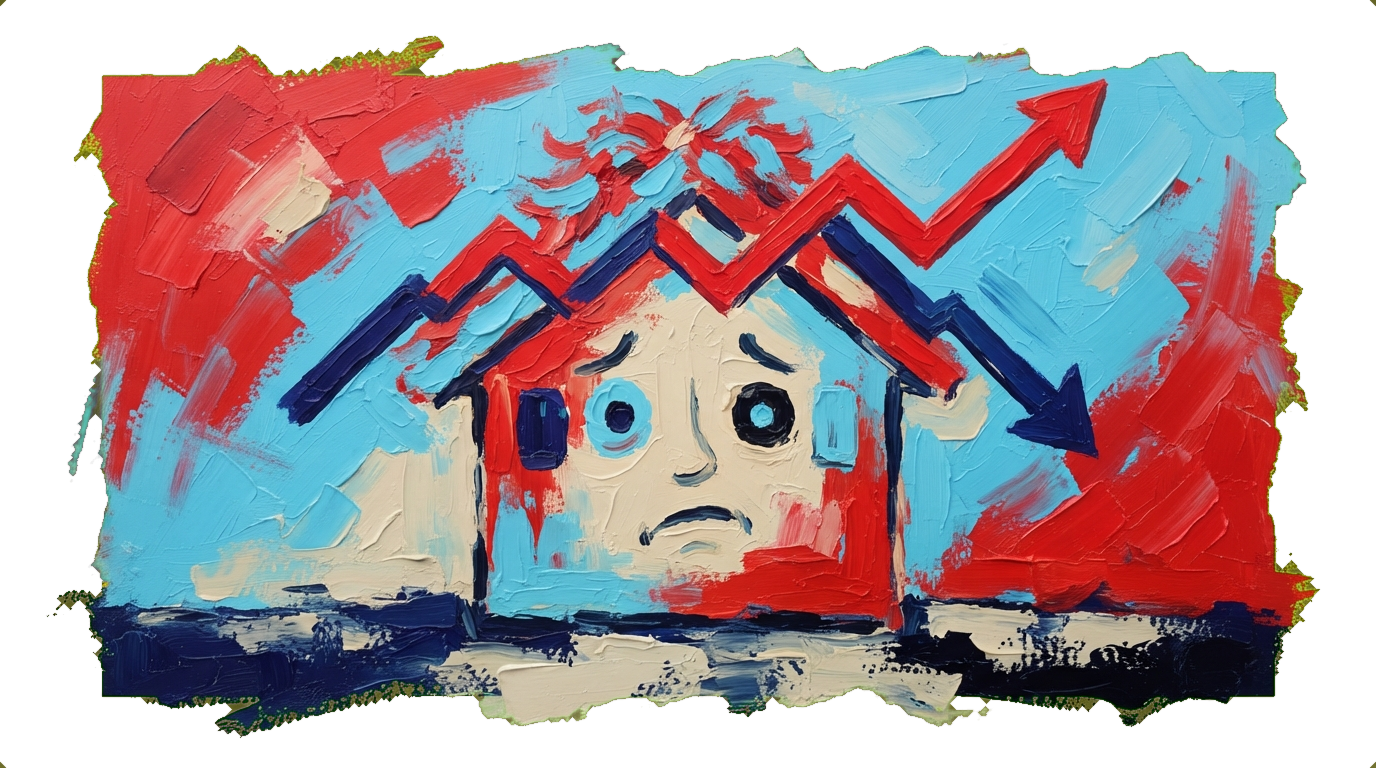
Australia's inflation measure has a gap in it the size of the established housing market, and the Reserve Bank is about to navigate a critical rate-setting period using data that cannot see it. When the government's tax changes push new construction costs higher while established home values fall, the RBA's core inflation gauge will register the first signal and miss the second entirely. The result could be rates held higher for longer, at precisely the wrong moment.
Australia's CPI was never built for a two-speed housing market
The Consumer Price Index, which underpins the RBA's inflation targeting, includes new dwelling costs and rents but not the price of existing homes. That exclusion has a logic to it: buying an established home is treated as an asset transfer rather than the consumption of a new good. The same reasoning applies in most advanced economies. In a normal housing market cycle, the distortion it produces is modest.
Australia does not have a normal housing market. It has a two-speed system where new and established dwelling prices can move in entirely different directions for entirely different reasons. The new build segment is driven by construction input costs, labour shortages, developer levies, and planning approvals. The established market is driven by credit availability, investor sentiment, migration flows, and the general mood about whether now is a good time to move. These are not the same animal, and measuring one as a proxy for the other has always been imprecise. It is about to become something worse.
The tax changes will widen the gap, not close it
The government's flagged changes to housing-related taxes, which the RBA itself noted in May are likely to cool the property market, will not fall evenly across the two segments. Adjustments that affect developer incentives or construction cost treatment will register directly in the new dwelling component of the CPI. That component will push measured inflation higher. Meanwhile, softening demand in the established market, which could be a genuine deflationary signal about household purchasing power and wealth effects, disappears into the gap the measure cannot see.
The RBA, which has repeatedly insisted it does not target house prices, technically has cover here. The bank's mandate is inflation and employment, not the Sydney auction clearance rate. But as The Conversation has documented, the bank has in practice allowed property-related financial stability concerns to shape rate decisions, including a period when it undershot its own inflation target partly because it was concerned about what lower rates would do to house prices. The bank says one thing and does another, which is not necessarily dishonest, it may simply reflect the reality that in a country with Australia's concentration of variable-rate mortgages, the housing market and the macroeconomy are the same conversation.
If the RBA is quietly watching the established market anyway, but the formal inflation number it is bound to respond to cannot see it, you end up with a perverse situation: the signal the bank is actually using is informal and unaccountable, while the signal driving public rate guidance is structurally incomplete.
Which makes the measurement gap more consequential, not less. If the RBA is quietly watching the established market anyway, but the formal inflation number it is bound to respond to cannot see it, you end up with a perverse situation: the signal the bank is actually using is informal and unaccountable, while the signal driving public rate guidance is structurally incomplete. That is a poor architecture for a decision that affects every mortgage holder in the country.
The easing cycle is now the pressure point
The timing sharpens the problem. Rate cuts earlier this year had already started to stabilise the established market after a significant correction. If new construction costs now push measured inflation higher through the tax channel, a pause or reversal in the easing cycle becomes harder to resist. The established market softens further. Household balance sheets weaken. Consumption pulls back. The CPI, staring at new dwelling costs, keeps sending the wrong signal.
There are no easy fixes here. Including established home prices in a consumption-based inflation index creates its own methodological problems, and the international consensus has generally landed where Australia has. The more tractable path is for the RBA to be explicit about how it weights the established market in its broader assessments, rather than officially excluding it while informally tracking it. Transparency about what the bank is actually looking at would at least allow the public and markets to evaluate the judgement being made.
What is not acceptable is treating the gap as though it does not exist. Australia's housing market is large enough, and mortgage exposure broad enough, that a measure which can only see half of it is not a technical imperfection. It is a policy risk. And the structural conditions for that risk to detonate are now in place.
Frequently Asked Questions
Why doesn't Australia's CPI include established home prices?
Buying an existing home is classified as an asset transfer rather than the consumption of a new good, so it is excluded from the Consumer Price Index on methodological grounds. This approach is consistent with most advanced economies. The problem is that in Australia's two-speed housing market, new and established home prices can move in opposite directions for unrelated reasons, making the exclusion more distorting than it is elsewhere.
How could tax changes make Australia's inflation look higher than it really is?
If government tax changes raise costs for developers or new construction, those costs flow directly into the new dwelling component of the CPI, which pushes measured inflation higher. At the same time, any cooling effect on the established property market — which could signal falling household wealth and weaker demand — goes entirely unrecorded in the CPI. The result is an inflation reading that overstates price pressure in the economy.
Does the RBA actually watch house prices even though it says it doesn't target them?
There is documented evidence that the RBA has allowed property-related financial stability concerns to influence rate decisions in practice, including a period when it undershot its own inflation target partly out of concern about what lower rates would do to house prices. The bank's formal mandate covers inflation and employment, but in a country with Australia's concentration of variable-rate mortgages, the housing market and the macroeconomy are deeply linked.
What could the RBA do to fix this measurement problem?
Including established home prices in a consumption-based index creates genuine methodological difficulties that most countries have chosen to avoid. The more practical near-term step would be for the RBA to be explicit in its published communications about how it weights established market conditions in its broader assessments — making the informal signal it already watches a formal and publicly accountable one.
How does this affect people with mortgages right now?
If new construction costs push measured CPI higher just as the established market softens, the RBA faces pressure to pause or reverse its rate-cutting cycle at a moment when the underlying economy may be weakening. Mortgage holders who benefited from earlier rate cuts could find relief stalls or reverses, driven by an inflation signal that reflects construction cost pressures rather than the broad demand conditions that monetary policy is designed to address.